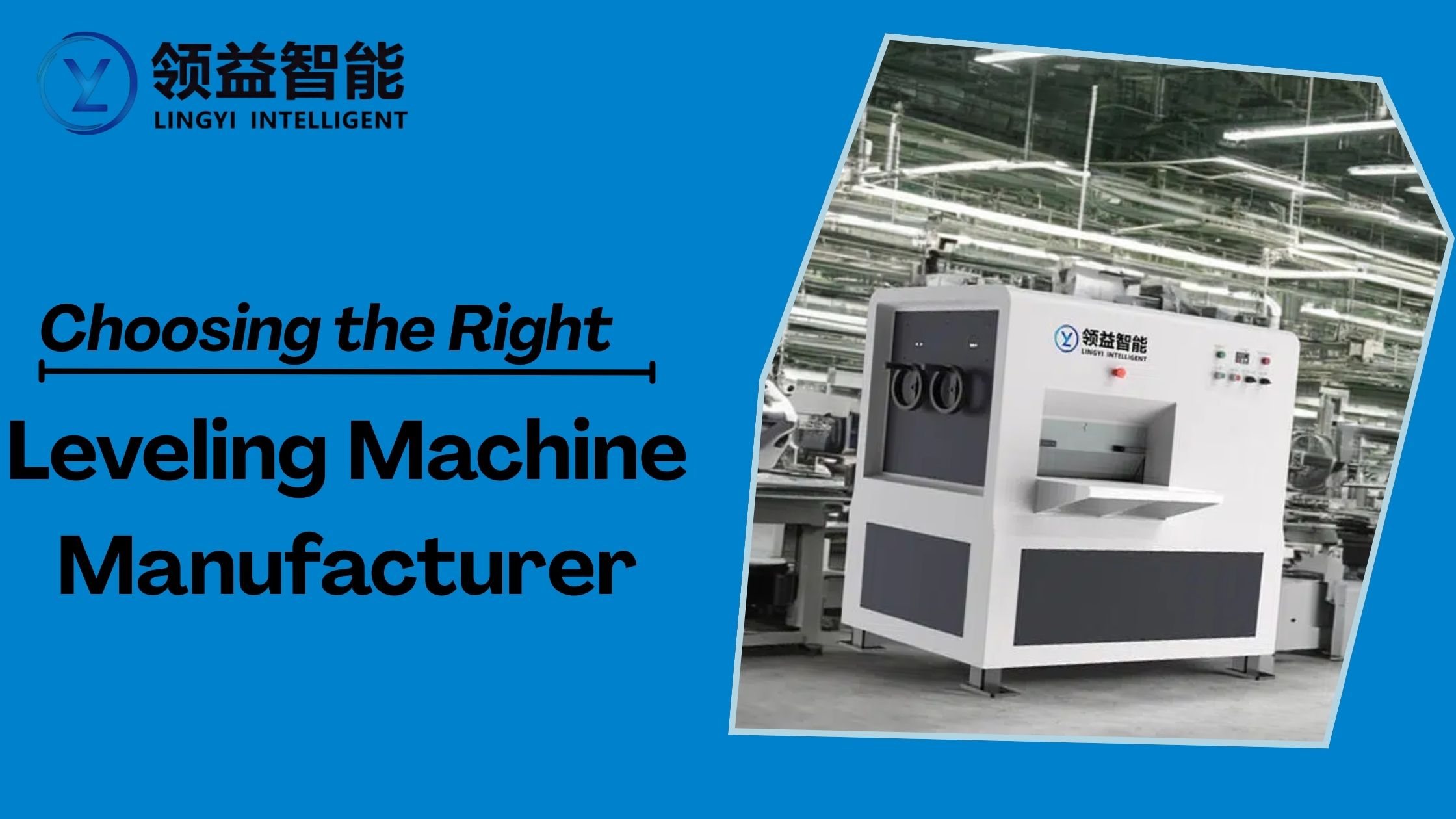
In the world of metal fabrication, achieving precision and efficiency is not just a goal—it’s a necessity. Sheet metal must be flat, smooth, and ready for further processing, and this is where leveling machine manufacturers play a pivotal role. By offering advanced solutions, they help industries enhance product quality, streamline production, and reduce waste.
Whether it’s for large-scale industrial production or small workshops, investing in the right leveling equipment can transform operations. Let’s explore how these manufacturers improve quality and productivity across metal fabrication industries.
Did You Know?
high-quality leveling machines reduce the need for manual corrections, freeing skilled workers for higher-value tasks?
Enhancing Sheet Metal Precision
One of the primary functions of leveling machines is to correct distortions in metal sheets. Metal sheets often have bends, waves, or internal stress that can affect further manufacturing processes. Best leveling machine manufacturers for sheet metal focus on designing equipment that ensures uniform flatness, which directly improves the quality of the final product.
In smaller operations or entry-level setups, a Manual Leveling Machine is often used to correct minor sheet irregularities before fabrication. Precision leveling reduces errors during processing, allowing components to fit perfectly in assembly lines. Industries like automotive, construction, and electronics benefit immensely from this accuracy, as it prevents costly rework or material scrap.
High-Precision Equipment for Demanding Industries
Modern metal processing demands high accuracy. High-precision metal leveling equipment suppliers deliver machines that can handle even the most delicate tasks. These machines use advanced roller systems and controlled pressure to provide consistent flatness across every sheet.
For heavy-duty and high-volume production, a Hydraulic Leveling Machine ensures stable performance while handling thicker and stronger metal sheets. By adopting such equipment, manufacturers can maintain strict quality standards while increasing output without compromising reliability.
Supporting Various Metal Fabrication Needs
Different industries have unique requirements when it comes to sheet metal processing. Leveling machines for metal fabrication are designed to handle a wide range of materials, thicknesses, and dimensions.
For instance, leveling is often integrated with upstream processes such as cutting and preparation. When combined with a Steel coil cross-cutting machine, the leveled sheets are delivered in precise sizes, ready for downstream operations. This integration improves workflow efficiency and reduces handling time across production lines.
Cost-Effective Solutions for Industrial Operations
Investing in leveling machines may seem costly initially, but the long-term benefits make it worthwhile. Cost-effective leveling machine solutions for industries focus on reducing operational costs by minimizing waste, energy consumption, and maintenance needs.
Machines built with durability and precision in mind last longer, reducing replacement costs. Additionally, efficient leveling equipment decreases the time needed for manual corrections, freeing up resources and increasing overall productivity.
How Manufacturers Innovate for Better Performance
Leveling machine manufacturers constantly innovate to meet the evolving needs of the metal industry. They focus on:
Advanced Roller Design: Improved rollers provide better flatness control, reducing the risk of defects.
Automated Controls: Modern machines come with digital interfaces and programmable settings for precise adjustments.
Energy Efficiency: Optimized motors and systems lower power consumption while maintaining high output.
Ease of Maintenance: Machines are designed for simple upkeep, reducing downtime and repair costs.
These innovations make leveling machines smarter, faster, and more reliable for industrial applications.
Reducing Waste and Improving Efficiency
One of the significant advantages of advanced leveling systems is waste reduction. Flat, uniform sheets are less likely to fail quality checks during fabrication. This saves raw materials, labour, and energy.
In many fabrication units, leveled sheets are processed alongside equipment such as a welding slag removal machine, ensuring clean surfaces and smoother downstream operations. Automation and precision reduce errors, improve speed, and deliver consistent production results.
Training and Support
Reliable manufacturers don’t just supply machines—they also provide training and technical support. Proper guidance on machine operation ensures that employees can use the equipment effectively and safely.
Manufacturers often offer installation assistance, regular maintenance services, and troubleshooting support. This ensures that the leveling machines continue to perform optimally, contributing to uninterrupted production and long-term productivity gains.
Choosing the Right Leveling Machine Manufacturer
Selecting the right partner is crucial for industries looking to improve both quality and productivity. Here’s what to consider:
Experience and Reputation: Manufacturers with years of experience often provide more reliable and proven solutions.
Customization Options: Different industries have unique requirements; a manufacturer that offers tailored solutions can better meet specific needs.
After-Sales Support: Maintenance, training, and spare parts availability are essential for sustained performance.
Technology Integration: Machines with digital controls, automation, and energy-efficient designs enhance productivity significantly.
By considering these factors, industries can ensure a smooth investment that boosts their operational efficiency.
At Last
Leveling machines are indispensable tools for modern metal fabrication. By working with leveling machine manufacturers, industries gain access to precision equipment that improves sheet flatness, reduces errors, minimizes waste, and enhances productivity.
From small manual systems to advanced hydraulic solutions, the right leveling machine can make a significant difference in quality and efficiency. Integrating them with complementary machines like welding slag removal equipment or steel coil cross-cutting machines further strengthens production workflows.
Investing in high-quality, cost-effective leveling solutions is not just a choice—it’s a strategic move for industries aiming to stay competitive in today’s fast-paced manufacturing environment.
Leveling machines ensure uniform flatness in sheet metal, improving product quality and reducing rework.
High-precision metal leveling equipment boosts efficiency and maintains strict quality standards.
Modern leveling machines are versatile, handling different metals, thicknesses, and sizes for various fabrication needs.
Cost-effective solutions reduce waste, energy consumption, and maintenance costs, improving overall productivity.
Integrating leveling machines with other equipment, like welding slag removal or steel coil cross-cutting machines, streamlines operations and enhances workflow.
Frequently Asked Questions:
Q1. What industries use leveling machines? Leveling machines are widely used in automotive, construction, electronics, and general metal fabrication industries. Any operation requiring flat, smooth sheets benefits from leveling machines.
Q2. What is the difference between manual and hydraulic leveling machines? Manual leveling machines offer precise control for small workshops or prototyping, while hydraulic machines provide higher force, automation, and efficiency for large-scale industrial operations.
Q3. How do leveling machines improve productivity? By ensuring sheet metal is flat and uniform, leveling machines reduce errors, minimize waste, and speed up production processes, resulting in higher efficiency.
Q4. Are leveling machines cost-effective for industries? Yes. Although the initial investment may be significant, leveling machines reduce material wastage, labor costs, and downtime, making them cost-effective in the long term.
Q5. Can leveling machines handle different metal types and thicknesses? Absolutely. Modern leveling machines are designed to work with various metals like steel, aluminium, and copper, and can manage different thicknesses to suit diverse fabrication needs.
Objective Give fabricators and procurement teams a clear, practical understanding of what a polishing machine actually does, so they can decide whether one fits their
Objective This post helps factory managers and procurement teams understand how a Precision Leveling Machine and other automated sheet metal equipment from imachine improve production
Objective: Help metal fabrication engineers, production managers, and procurement teams understand the root causes of sheet metal flatness defects, and how the right leveling machine
We are excited to share that PT Toshin Prima Fine Blanking in Indonesia has once again placed their trust in our equipment. After successfully implementing