
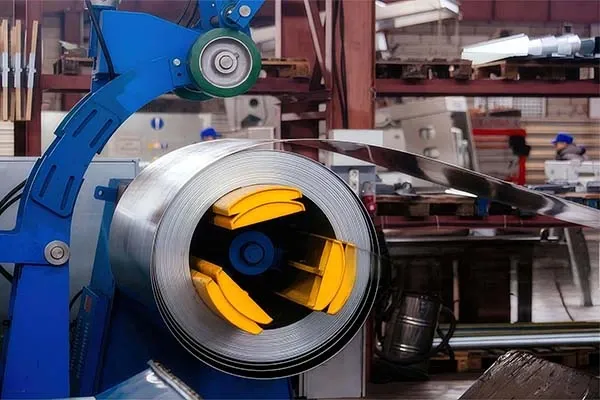
Metal plates can develop bends, waves, and other surface irregularities during manufacturing, handling, cutting, or transportation. These issues can affect dimensional accuracy and create problems during welding, fabrication, and assembly.
A Plate Flattening Machine helps manufacturers correct these irregularities and achieve flatter, more consistent metal plates. Lingyi Intelligent Machine develops industrial flattening and leveling solutions designed to support demanding metal processing applications.
What Is a Plate Flattening Machine?
A plate flattening machine is industrial equipment used to remove unwanted bends, waves, and internal stresses from metal plates and sheets. The material passes through a series of precision rollers that apply controlled pressure to gradually improve its flatness.
Unlike manual correction methods, an automated Flattening machine provides more consistent results and can process large quantities of material with better repeatability.
Key Features and Benefits of a Plate Flattening Machine
1. High Flattening Precision
Flatness is critical when metal plates are used for further fabrication or assembly. The machine applies controlled roller pressure to help achieve consistent flatness across the material.
This can reduce deformation-related problems and improve the quality of downstream processes.
2. Suitable for Different Metals
A modern plate flattening machine can be configured to process different materials, including carbon steel, stainless steel, aluminum, and other metal alloys.
The appropriate machine configuration depends on factors such as material type, thickness, width, and required flatness.
3. Easy Operation and Control
Operators need to adjust machine settings according to the material being processed. An intuitive control system makes it easier to set parameters and monitor the flattening process.
This helps reduce setup time and supports consistent production.
4. Strong and Durable Construction
Industrial metal processing equipment needs to withstand continuous workloads. A robust machine frame and high-quality components help provide stability during operation.
Proper construction also contributes to long-term reliability in demanding manufacturing environments.
5. Improved Production Efficiency
Manual flattening can take considerable time and may produce inconsistent results. A mechanical flattening system can process sheets more quickly while maintaining repeatable performance.
This allows manufacturers to increase throughput and reduce unnecessary handling.
6. Works Well With Coil Processing Lines
Plate flattening is often part of a larger metal processing workflow. For manufacturers processing coils, a Slitting line machine can divide wide coils into narrower strips before further processing.
Depending on the production setup, flattening, slitting, cutting, and other processes can be integrated into a coordinated production line.
7. Consistent Results for Further Fabrication
Poorly flattened plates can create difficulties during welding, punching, bending, laser cutting, and assembly.
Using a precision flattening system helps provide a more stable starting material for these operations, potentially improving overall production consistency.
8. Easy Maintenance
Regular inspection and maintenance are important for keeping flattening equipment operating reliably. Machines designed with accessible components can make routine maintenance and inspection easier.
Following the manufacturer’s maintenance recommendations can also help minimize unexpected downtime.
Why Is Plate Flattening Important?
Metal plates may develop residual stress or deformation during rolling, cutting, transportation, and storage. If these problems are not corrected, they can affect the accuracy of subsequent manufacturing processes.
A plate flattening machine helps prepare the material before it moves to the next stage. Better flatness can contribute to improved cutting accuracy, easier fabrication, and more consistent finished products.
For applications requiring high levels of flatness and precision, manufacturers may also consider a Precision leveler. Precision leveling equipment is designed to make controlled corrections to sheet or plate material and is commonly used where strict flatness requirements are important.
Plate Flattening Machine Applications
Plate flattening machines can be used across a variety of industries, including:
Metal fabrication
Automotive manufacturing
Construction equipment
Steel processing
Machinery manufacturing
Appliance manufacturing
Industrial equipment production
General sheet metal processing
The ideal machine configuration depends on the material specifications and production requirements of each application.
Plate Flattening and Surface Finishing
Flattening is often followed by additional processes such as cutting, welding, grinding, or finishing. After cutting, metal components may have sharp edges or burrs that need to be removed.
A Deburring machine can help automate this finishing step by removing unwanted burrs and improving edge quality before the parts move to assembly or other production stages.
This creates a more streamlined workflow from material preparation to final component finishing.
Why Choose Lingyi for Plate Flattening Equipment?
Lingyi Intelligent Machine focuses on developing industrial metal processing equipment for manufacturers that require reliable performance and consistent results.
When selecting a plate flattening machine, manufacturers should consider more than the initial machine price. Important factors include:
Material thickness and width
Maximum processing capacity
Required flatness tolerance
Machine configuration
Automation level
Production volume
Ease of operation
Maintenance requirements
Technical support
After-sales service
Choosing equipment based on actual production requirements can help ensure better long-term value and performance.
Frequently Asked Questions
1. What is a plate flattening machine used for?
A plate flattening machine is used to correct bends, waves, and other flatness problems in metal plates and sheets. It helps prepare material for processes such as cutting, welding, bending, and assembly.
2. What materials can a plate flattening machine process?
Depending on the machine configuration, it can process materials such as carbon steel, stainless steel, aluminum, and other metal alloys.
3. What is the difference between flattening and leveling?
Both processes aim to improve the flatness of metal. Flattening generally refers to correcting visible deformation, while precision leveling uses controlled roller adjustments to achieve a more consistent flatness across the entire sheet or plate.
4. How do I choose the right plate flattening machine?
Consider the material type, thickness, width, production volume, required flatness, and level of automation. It is also important to evaluate machine construction, control systems, maintenance requirements, and technical support.
5. Can a flattening machine be used in an automated production line?
Yes. Depending on the production requirements, flattening equipment can be integrated with other metal processing equipment, such as coil processing, slitting, cutting, and material handling systems.
6. How can a plate flattening machine improve production?
It can reduce manual correction, improve material flatness, support consistent downstream processing, and help manufacturers achieve more stable production results.
Get the Right Plate Flattening Solution
Consistent flatness is an important part of producing accurate and high-quality metal components. A properly configured Plate Flattening Machine can help manufacturers improve material preparation, production consistency, and overall workflow efficiency.
If you are evaluating a flattening solution, consider your material specifications, required flatness, production volume, and automation requirements before selecting the machine configuration.


